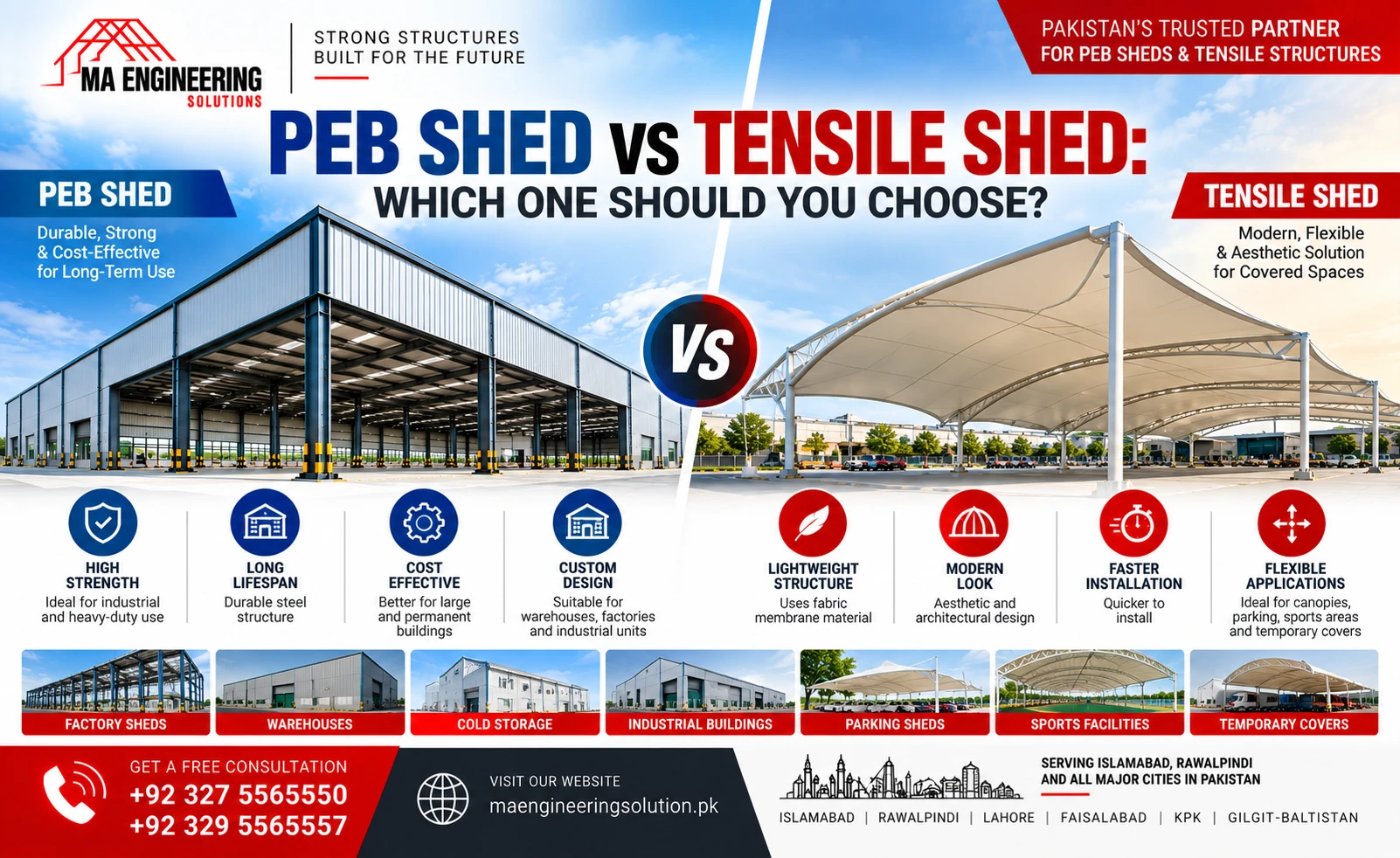
If you’re planning a large covered structure — a warehouse, parking shed, event space, or storage facility — you’ve likely come across two very different construction approaches: PEB (Pre-Engineered Building) sheds and tensile structures. Both cover large areas without extensive internal columns, but they’re built on completely different engineering principles, and that difference matters a lot depending on what you’re using the space for.
This guide breaks down how they actually compare, so you can match the right structure to your project instead of choosing based on cost alone.
What’s the Core Difference?
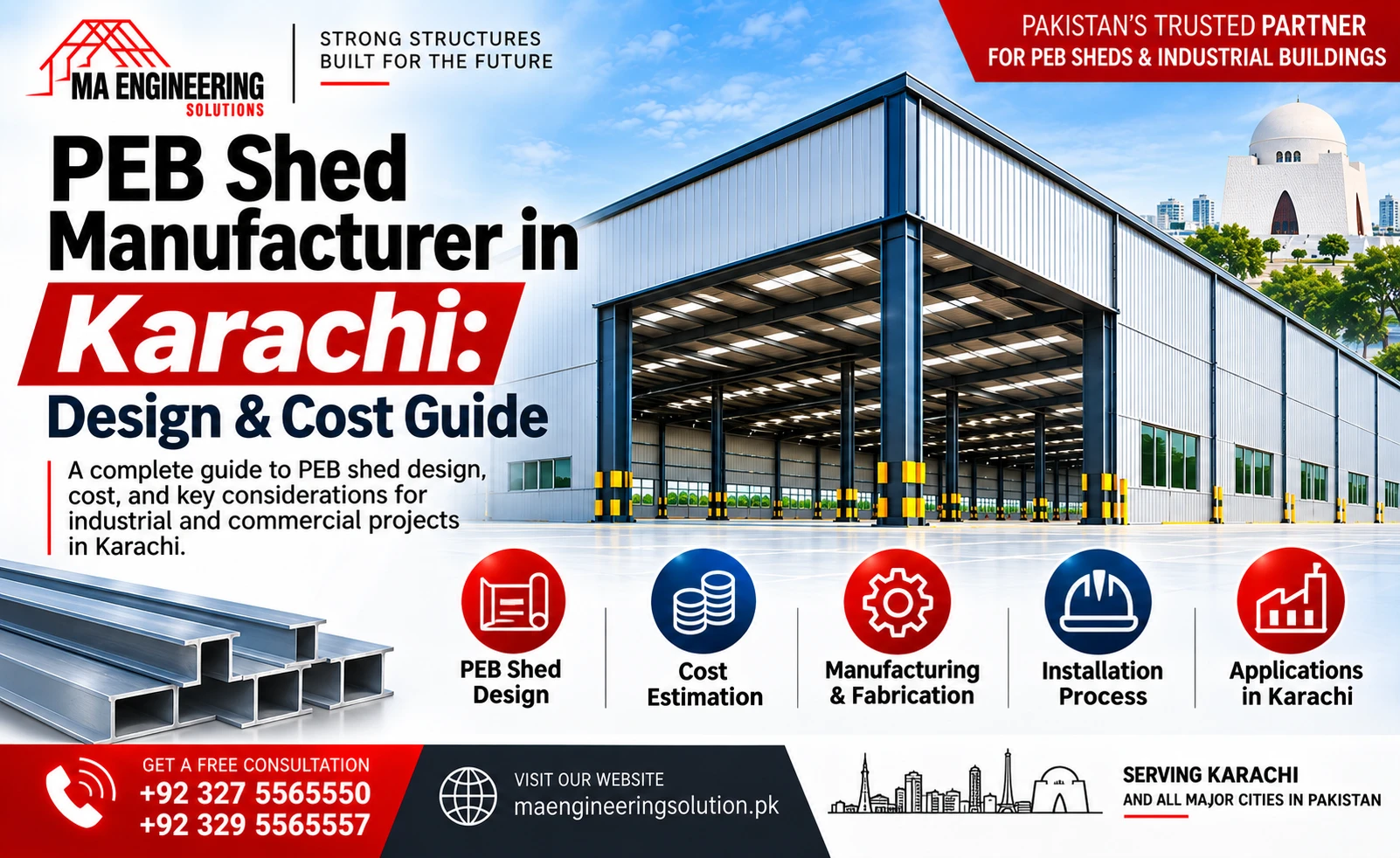
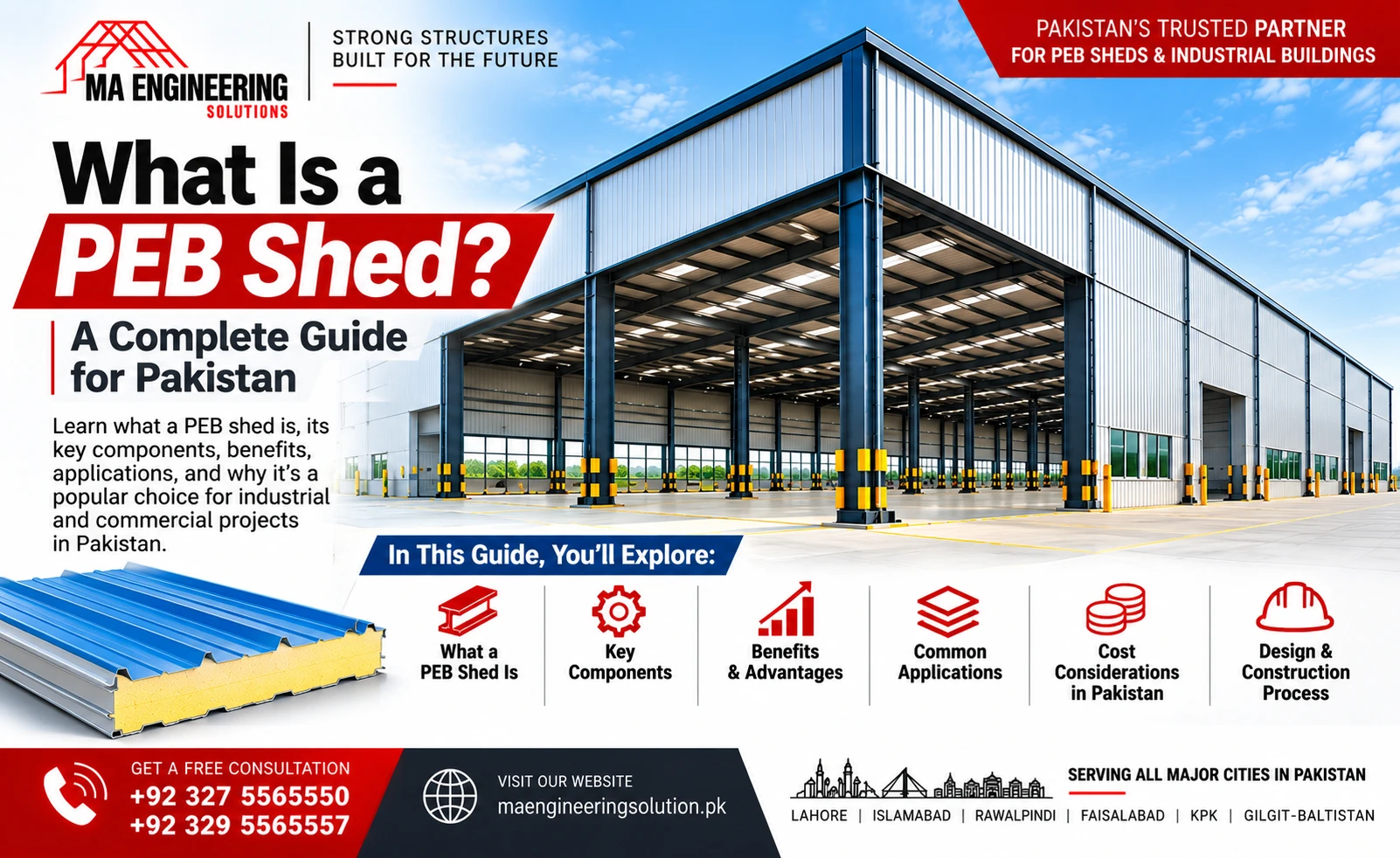
A PEB shed is a rigid steel-frame structure — primary columns and rafters engineered to your load requirements, fabricated off-site, and assembled with roof and wall cladding. It’s a permanent, load-bearing building.
A tensile structure uses steel or aluminum framing combined with tensioned fabric membrane stretched across cables, creating a lightweight roof system. It’s designed for flexible, often semi-permanent coverage rather than a fully enclosed permanent building.
The distinction isn’t just structural — it changes what each one is actually good for.
Side-by-Side Comparison
| Factor | PEB Shed | Tensile Structure |
|---|---|---|
| Structure type | Rigid steel frame with metal cladding | Steel/aluminum frame with tensioned fabric membrane |
| Permanence | Permanent, long-term building | Often semi-permanent, easier to relocate or reconfigure |
| Enclosure | Fully enclosed with walls, doors, ventilation | Typically roof coverage only, or partial walls |
| Best for | Warehouses, factories, industrial storage | Parking shades, event spaces, temporary storage, walkways |
| Load-bearing capacity | Higher — supports racking, mezzanine floors, overhead cranes | Lower — not designed for heavy internal loads |
| Weather resistance | Strong protection against rain, dust, temperature extremes | Good rain/UV protection, but less insulation and enclosure |
| Lifespan | Several decades with proper maintenance | Typically shorter lifespan, membrane may need replacement |
| Installation speed | Fast, but involves more structural assembly | Generally faster to erect due to lighter components |
| Customization | Full customization of spans, height, cladding, openings | More limited — geometry constrained by membrane tensioning |
| Cost profile | Higher upfront cost, lower long-term maintenance for industrial use | Lower upfront cost, but shorter membrane lifespan may add recurring cost |
For a full breakdown of what drives PEB shed pricing specifically, see our guide on PEB shed cost per square foot in Pakistan.
When a PEB Shed Is the Right Choice
- You need a fully enclosed building — walls, doors, insulation, and climate control
- Your operation requires heavy load capacity — racking, machinery, overhead cranes, or a mezzanine floor
- You’re building for long-term industrial use — a factory shed, textile shed, or pharmaceutical shed where hygiene, temperature, and structural integrity matter over decades
- You need strong protection against extreme weather, dust, or security concerns
When a Tensile Structure Makes More Sense
- You need quick, lower-cost coverage without full enclosure — a parking shade, walkway canopy, or open-sided storage area
- The space is for events, exhibitions, or temporary use rather than permanent operations
- You want the option to relocate or reconfigure the structure later
- Full weatherproofing and heavy internal loads aren’t a requirement
A Practical Way to Decide
Ask yourself three questions before choosing:
- Is this permanent or temporary? Long-term industrial use points toward PEB; short-term or seasonal use points toward tensile.
- Does it need to carry heavy loads? Racking, machinery, or a mezzanine floor rules out tensile structures.
- Does it need full enclosure? If you need walls, insulation, and climate control, PEB is the only realistic option between the two.
If your answers land firmly on “permanent,” “load-bearing,” and “enclosed,” a PEB structure is almost certainly the better long-term investment — even though the upfront cost is typically higher than a tensile structure.
Frequently Asked Questions
Talk to Our Engineering Team
Choosing between a PEB shed and a tensile structure depends entirely on how you’ll use the space. Share your project details with our team and we’ll recommend the structure that actually fits your requirements — not just the cheaper option on paper.
Related reading: PEB Shed Cost Per Square Foot in Pakistan · Warehouse Shed Cost in Lahore · Warehouse Sheds · Industrial Sheds · Marquee Sheds